Compare Local Contractors for Fallen Branch Removal Services
Compare local contractors for fallen branch removal to define scope, verify experience, and set clear expectations for a safe, effective job.
Fallen branch removal is a task that typically involves clearing debris resulting from storm damage, overgrown trees, or weakened limbs that pose a risk to property or safety. This work can include trimming or pruning hazardous branches, safely lowering or removing fallen limbs, and cleaning up the debris to restore the landscape. Properly addressing fallen branches not only helps prevent potential damage to structures, vehicles, or power lines but also maintains the overall health and appearance of trees and surrounding vegetation.
Defining the scope of fallen branch removal work is an important step in ensuring the project meets expectations. Clear communication about the extent of the work-such as which branches need removal, the size and weight of debris, and any additional tasks like pruning or cleanup-helps prevent misunderstandings. Writing down the agreed-upon scope can serve as a reference for both property owners and contractors, reducing the risk of disputes and ensuring that everyone understands what will be done.
Property owners seeking to compare local contractors for fallen branch removal should consider several factors. Verifying experience with similar projects can provide confidence in a contractor’s ability to handle the work safely and efficiently. It’s also helpful to review the scope of work outlined by each service provider and ensure it aligns with the property’s needs. Comparing how contractors communicate their process and expectations, and requesting written agreements, can help property owners make informed decisions and choose professionals who are transparent and reliable in managing fallen branch removal projects.
Compare local contractors by outlining project priorities, verifying experience, and setting clear expectations in writing.
- Compare Contractor Credentials - review experience and qualifications to ensure reliable fallen branch removal services.
- Define Project Scope - clearly outline the work needed to establish expectations with local contractors.
- Verify Experience and References - check past work and references to assess the quality of service providers.
- Document Agreements in Writing - ensure scope, responsibilities, and expectations are confirmed through written agreements.
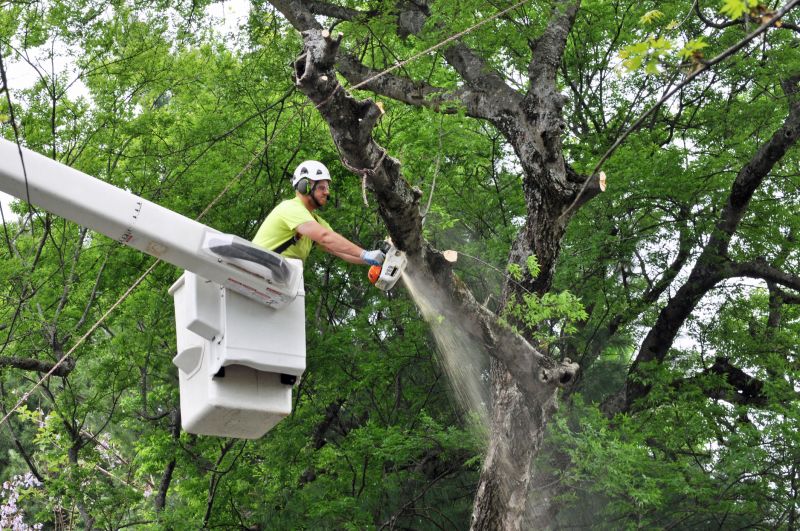
Clearly describe your fallen branch removal project to compare local contractors, verify experience, and set written expectations.
- Verify the experience and expertise of local contractors in fallen branch removal. - Ensure contractors clearly define the scope of work and removal process in written agreements.
- Compare multiple service providers to assess their qualifications and service offerings. - Look for detailed descriptions of services to understand what is included in the removal job.
- Check for references or reviews to gauge the reliability and quality of previous work. - Confirm that contractors have a history of completing similar fallen branch removal projects successfully.
- Discuss and document safety measures and procedures to ensure proper and safe removal practices. - Make sure expectations regarding cleanup and debris disposal are outlined in writing.
- Ask about the equipment and techniques used to handle branches safely and efficiently. - Verify that the service providers use appropriate tools for the size and type of branches involved.
- Ensure all work details, including scope and responsibilities, are agreed upon and documented before work begins. - Proper documentation helps prevent misunderstandings and sets clear expectations.
Compare local contractors, clarify project scope, verify experience, and document expectations for fallen branch removal.
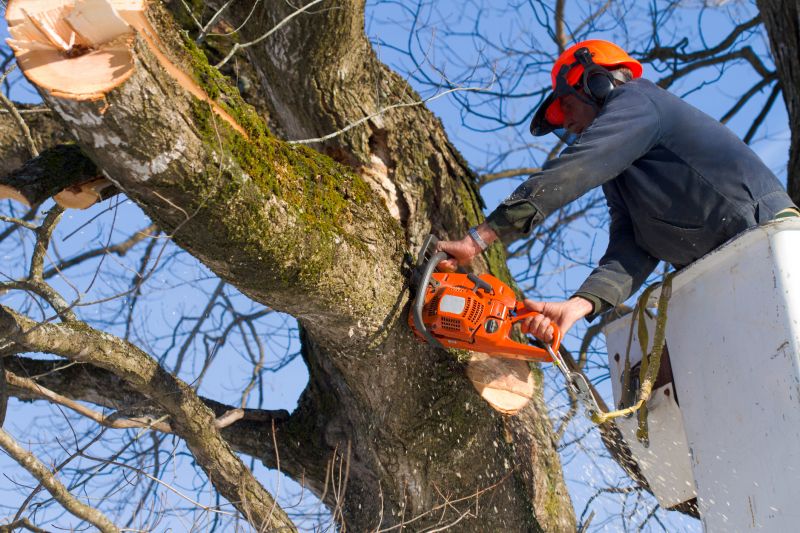
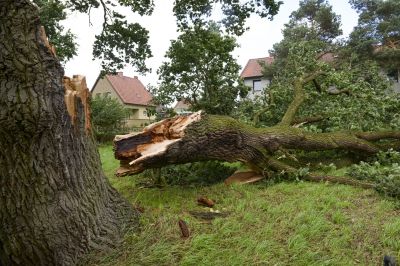
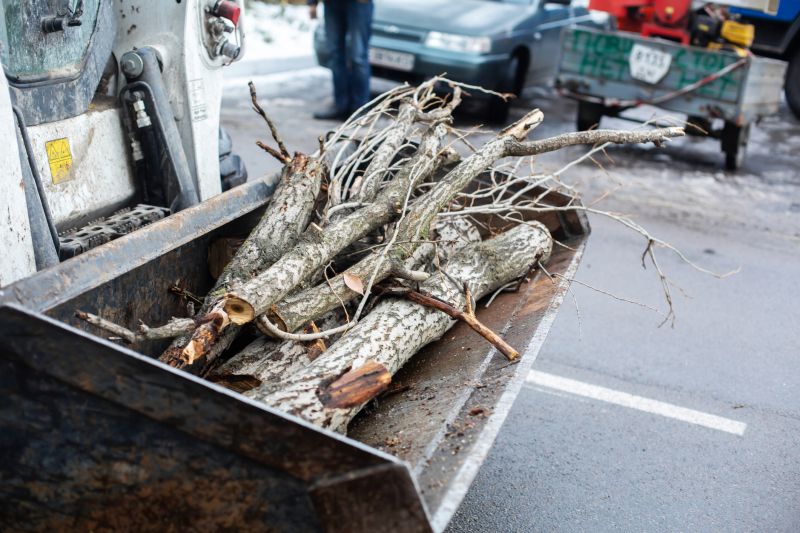
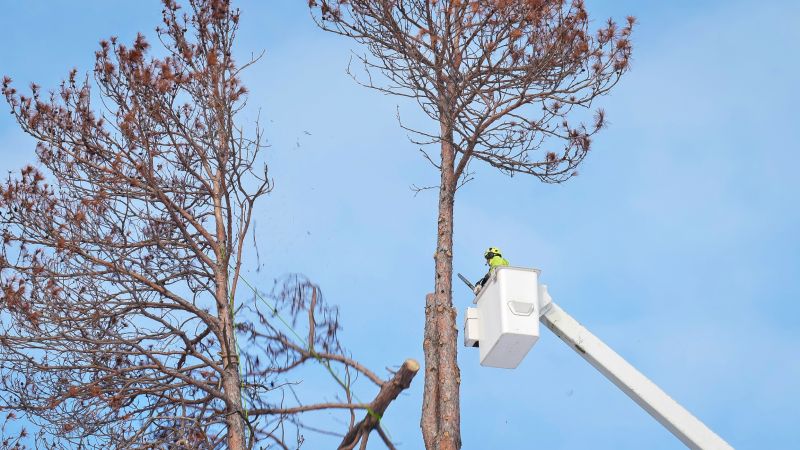
Use consistent comparison criteria to evaluate local contractors' scope, experience, and written expectations for fallen branch removal.
- Scope Definition - Clearly outline the extent of fallen branch removal, including size, number, and location of branches to be removed.
- Experience Verification - Confirm that service providers have relevant experience handling fallen branch removal in similar settings.
- Equipment and Methods - Specify the tools and techniques that will be used to safely and effectively remove the branches.
- Safety and Precautions - Identify safety measures and precautions that service providers will implement during the removal process.
- Written Agreement - Ensure all scope details and expectations are documented in a written agreement before work begins.
When comparing contractors for fallen branch removal, it’s important to consider their experience with similar projects. Service providers who have handled numerous fallen branch removals are more likely to understand the nuances of safely and efficiently clearing debris from trees of different sizes and types. Asking about their past work can provide insight into their familiarity with various site conditions and the scope of work involved, helping to identify those with relevant experience. This ensures that the contractor you choose has a proven track record of managing tasks similar to your specific needs.
A clear, written scope of work is essential when evaluating contractors. The scope should detail exactly what tasks will be performed, including the size and number of branches to be removed, safety precautions, cleanup procedures, and any additional site considerations. Having this information documented helps prevent misunderstandings and sets clear expectations for both parties. It also provides a basis for comparing what different service providers are offering, ensuring that each proposal aligns with the project’s requirements.
Verification basics are key to assessing the credibility of potential contractors. Confirm that they have the appropriate experience with fallen branch removal and ask for references or examples of completed projects. It’s also helpful to verify that they carry proper insurance coverage, which can protect against potential liabilities during the work. Ensuring that the service providers have a solid reputation for quality and safety can contribute to a smoother project process and reduce the risk of issues arising during or after the removal.
Evaluating options without focusing on prices involves reviewing how well each contractor’s services and scope align with your needs. Consider the clarity of their communication, the completeness of their written proposals, and their understanding of your project’s specifics. Comparing the experience and qualifications of different service providers can help identify those most capable of handling the job effectively. By focusing on the quality of their work descriptions, experience, and professionalism, homeowners can make informed decisions that prioritize the success and safety of the fallen branch removal process.
Ask contractors to provide written scope details to ensure clear understanding and consistent expectations.
- Experience and Qualifications - How can I verify the experience and background of local contractors for fallen branch removal?
- Scope of Work - What specific services and tasks are included in each contractor’s scope for fallen branch removal?
- Comparison of Services - How do different service providers define and differentiate their fallen branch removal offerings?
- Work Expectations - What should be clearly outlined in writing to set proper expectations for the scope and process?
- Service Provider Credentials - What criteria should be used to evaluate the professionalism and reliability of local contractors?
How can I compare contractors for fallen branch removal? To compare local service providers, review their experience, verify references, and examine written estimates to understand the scope of work they offer.
What should I clarify when discussing my fallen branch removal needs? Clearly define the extent of the work, including the size and location of the branches, to ensure contractors understand the scope and can provide accurate information.
How can I verify a contractor’s experience with fallen branch removal? Ask for details about their previous projects, request references, or check for reviews to gauge their familiarity and reliability in handling similar jobs.
Why is it important to get everything in writing? Having a detailed written agreement helps set clear expectations, outlines the scope of work, and reduces potential misunderstandings between you and the contractor.
What questions should I ask a contractor before hiring for fallen branch removal? Inquire about their process for removing branches, safety measures, equipment used, and how they handle cleanup to ensure they meet your needs.
How can I ensure the scope of work is properly defined? Discuss all aspects of the job upfront, including branch sizes, access points, and cleanup requirements, and request a written description to confirm mutual understanding.
By reviewing the information provided, visitors can better understand the importance of clearly defining the scope of fallen branch removal projects, verifying the experience of local contractors, and setting expectations in writing. This approach helps ensure a smoother process when comparing options and selecting service providers suited to specific needs. Utilizing the quote form allows for straightforward comparisons among local contractors, making it easier to find the right fit for the job.
Taking a moment to complete the quote form empowers visitors to explore and compare local contractors who can handle fallen branch removal efficiently. Gathering details about each provider’s offerings and experience helps in making informed decisions without the pressure of commitments. This step supports finding trusted service providers capable of meeting individual project requirements.