Limbs Removal in Honolulu, HI
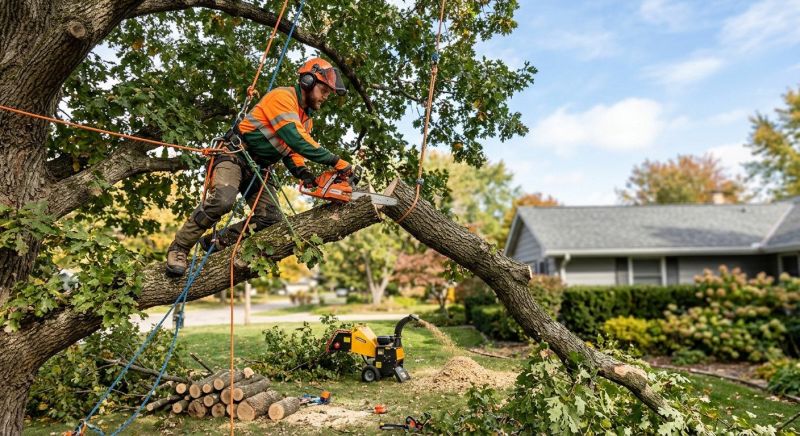
Limbs removal services involve the careful removal of trees, branches, or large limbs that pose a risk to property or safety. This service covers a variety of projects, including the removal of damaged or dead trees, clearing overgrown branches, and trimming trees to prevent potential hazards during storms or high winds. Homeowners typically seek this service to maintain the safety and appearance of their property, especially when dealing with trees that are too close to structures, power lines, or areas with high foot traffic.
Before requesting limbs removal, property owners usually want to understand the scope of work, including which parts of the tree will be removed and how the process will impact the landscape. It’s also important to consider any permits or restrictions in the area, as well as the potential effects on the overall health of remaining trees. Clear communication about the desired outcomes and any concerns about property or safety can help ensure the project meets expectations.
Many property owners in Honolulu, HI look into Limbs Removal for repairs, replacements, upgrades, and appearance-related improvements.
Limb Removal For Safety And Access
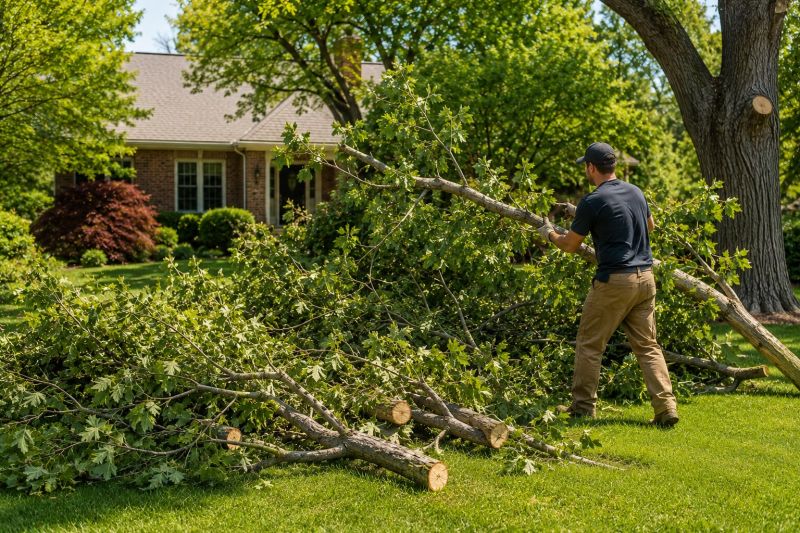
Removing overgrown or damaged limbs can improve safety and accessibility around properties in honolulu, hi.
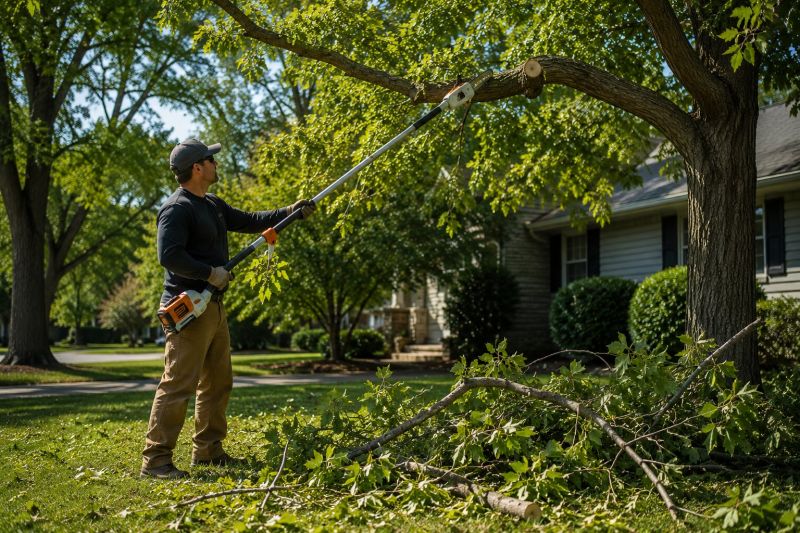
Emergency Limb Removal Services
Prompt removal of fallen or hazardous limbs helps protect property and residents during storms or high winds.
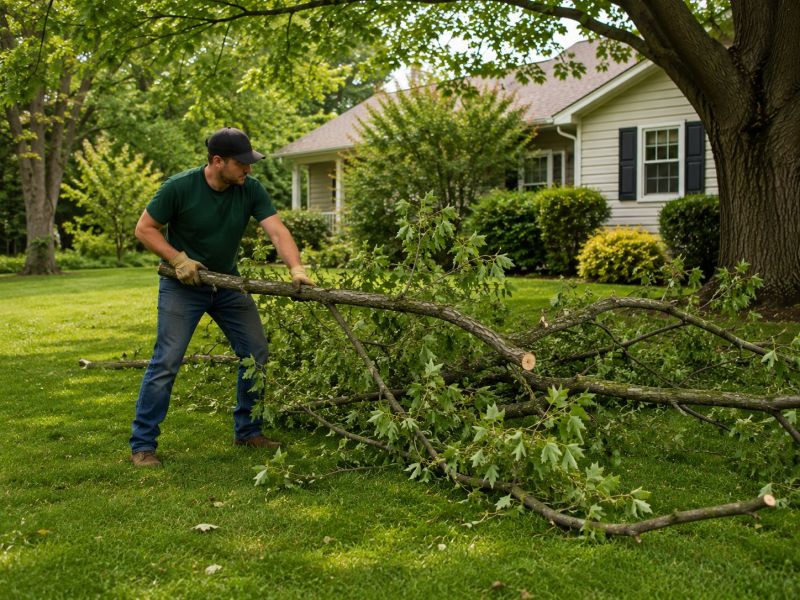
Tree Maintenance And Limb Reduction
Regular limb trimming and removal support the health and aesthetics of trees in residential and commercial areas.
Limbs Removal in Honolulu, HI

Limbs removal services involve the careful removal of trees, branches, or large limbs that pose a risk to property or safety. This service covers a variety of projects, including the removal of damaged or dead trees, clearing overgrown branches, and trimming trees to prevent potential hazards during storms or high winds. Homeowners typically seek this service to maintain the safety and appearance of their property, especially when dealing with trees that are too close to structures, power lines, or areas with high foot traffic.
Before requesting limbs removal, property owners usually want to understand the scope of work, including which parts of the tree will be removed and how the process will impact the landscape. It’s also important to consider any permits or restrictions in the area, as well as the potential effects on the overall health of remaining trees. Clear communication about the desired outcomes and any concerns about property or safety can help ensure the project meets expectations.
Many property owners in Honolulu, HI look into Limbs Removal for repairs, replacements, upgrades, and appearance-related improvements.
Common Limbs Removal Jobs
Tree limb removal - safely removing overhanging or damaged limbs to prevent property damage.
Storm damage cleanup - clearing fallen or broken limbs after severe weather events.
Landscape trimming - pruning or removing limbs to maintain healthy and attractive trees.
Emergency limb removal - rapid response to hazardous limbs threatening safety or property.
Dead limb removal - removing dead or decaying branches to promote tree health.
Utility line clearance - trimming limbs near power lines to prevent outages and ensure safety.
Limbs Removal Questions
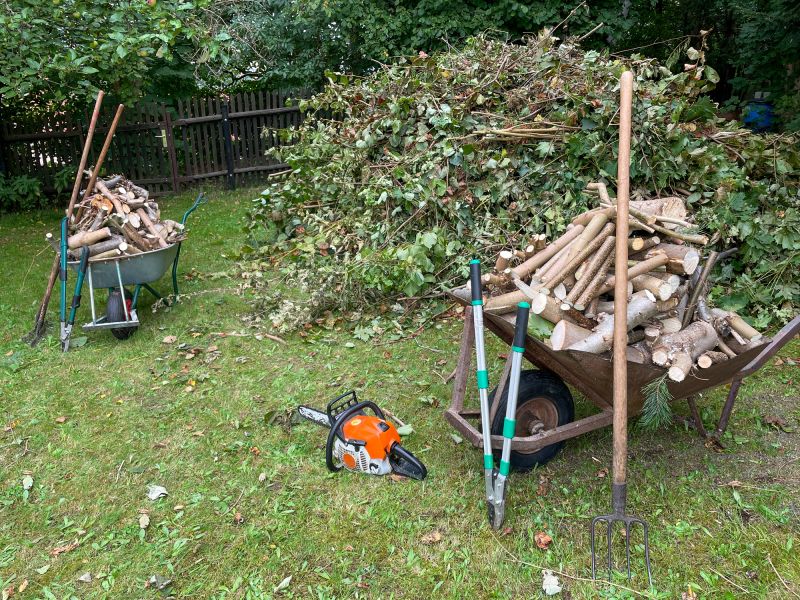
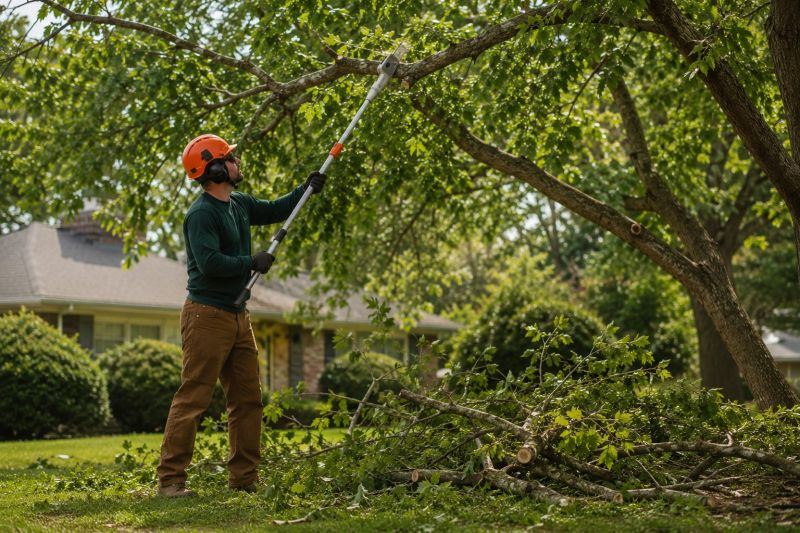
What types of limbs removal services are available? Services typically include removal of dead or damaged limbs from trees to promote health and safety.
Is limbs removal necessary for property safety? Yes, removing unstable or hazardous limbs helps prevent potential damage or injury during storms or high winds.
When should limbs removal be performed? It is recommended when limbs are broken, diseased, or pose a risk to structures or people on the property.
What should property owners consider before requesting limbs removal? Consider the size, location, and condition of the limbs to determine the best approach for removal and property safety.
Request Limbs Removal in Honolulu, HI
Use the quote form on this page to share the basics of your project and request more information for the type of work you need.